Posts

Game Vision Statement

Image
  In this blog I will be discussing my vision for my game 'Escape the Mansion'. In this vision statement, I will detail Escape the Mansion's genre, gameplay aspects and resources, and include relevant links and images to help flesh out my plans.  I wanted to create a game that had a very simple play style for casual and experienced gamers alike. I didn't want to overcomplicate the game by jam-packing it with features, but to make something anyone could pick up and enjoy. When researching what to do I felt that the best games with simple concepts had a thought-out theme that made the player create the world themselves. The original Mario game had very limited capabilities by today's standard but had the player make up their story for why Mario saves the Princess.  I want to try create a similar theme with this game to make the player ask these kind of questions in their head and create the answers - why am I trapped here? Who are my captors? What threat looms around ...
Unity Tutorial 03

Image
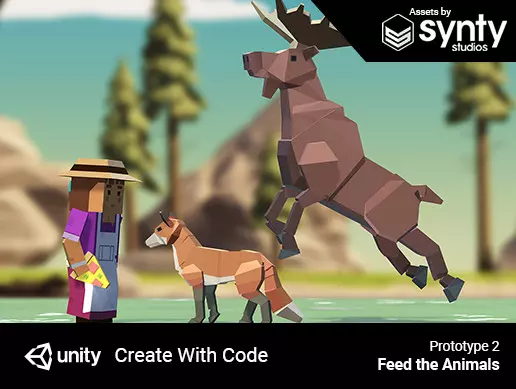
Unity Prototype 2   For this weeks Unity tutorials they took way longer than I intended on spending on them. I kept making minor mistakes in the coding which cost me a lot of time as I couldn't find what it was that was stopping the game from working the way it is meant to. In the first tutorial I learned how to move the player from left to right like last time but the difference this time round was that I stopped the player from going off the edge of the screen by adding an 'if-statement'. This piece of code says that if that player is gone too far to the left or to the right that it will automatically stop.  The next two tutorials I completed I found much harder than the first. In my head I am still trying to make sense of the Unity interface and the basics of making a game. As the tutorials get progressively harder I am finding myself finding it more and more difficult to complete them by the suggested time.  However I know how important it is to complete these tutoria...

Games MDA

Image
  MDA image This week for my readings I look into the Mechanics, Dynamics and Aesthetics (MDA) framework of game design. The first reading I delved into was  MDA: A Formal Approach to Game Design and Game Research  by Robin Hunicke, Marc LeBlanc, Robert Zubek. This was a very in-depth look into what the MDA framework is and how it is applied to the majority of aspects in game design.  'Mechanics describes the particular components of the game, at the level of data representation and algorithms. Dynamics describes the run-time behavior of the mechanics acting on player inputs and each others outputs over time. Aesthetics describes the desirable emotional responses evoked in the player, when she interacts with the game system.' When setting out to design a brand new game, game designers often take inspiration from games of a similar nature and add aspects of that to their own game. When doing so you have to ask yourself 'what is it that makes this game fun?' ...

Game Idea Research

Image
  Escape room game  After receiving feedback from my game ideas, I have decided to follow the path of my 'Escape the Mansion' concept. While I was told that my other three ideas had promise, I found feedback for Escape the Mansion to be the most positive.  Although I liked the concept of the shooting game, looking back  it did seem quite far fetched for my current level of skill this semester, and while both my Cloud Surfer and Getaway ideas weren't poor, they may have also been difficult to programme as they require a high level of skill for designing the aesthetic of the game worlds.  Delving into research for Escape the Mansion, I felt the most important aspect to make it a good game was a solid theme. I would like a fun, but pseudo-horror theme in both the map-design and aesthetic, very similar to the GameCube classic Luigi's Mansion. Luigi's Mansion is a game is I was recommended about by a friend when discussing my project. Upon researching the game, I fou...

Unity Tutorial 02

Image
  Unity screenshot (my image)   Firstly for this weeks Unity tutorial we had to finish our car game that we started last week. When I first started the Unity tutorial I never would have expected that I could make the basics of a game but with the tutorials I found them quite easy to understand. We ended up with a working basic game. I got the car to move around the obstacles and travel at a certain speed. For the second Unity tutorial we were thrown into the deep end as we had to fix problems in the game by applying what we have learned already in the previous tutorial. I found this very difficult at first but I used the first tutorial as a reference to look back on. I was able to move the camera angle, make the plane go forward and also make the plane respond to my keys. I am still getting used to the fact that the slightest mistake in the code can make the game not work at all. It is easy to get very frustrated at yourself and lose patience but hopefully I will learn in time...

Game Elements

Image
  In a previous blog post I made, which can be found  here , I talked in depth about What is a Game? Today I looked into different elements within a game. The first article I read was  What are the Qualities of Games?  by Ian Schreiber. In this paper Schreiber explained that elements of a game include: Players Objectives  Rules Resources and Resource Management  Game State Information Sequencing  Player Interaction Theme (Narrative, Backstory, Setting) Games as Systems He also goes into critical analysis of a game and why it is necessary. Upon hearing the word critical many of people assume that it is a negative look into a game, pointing out it flaws, but in fact it is not. Critical analysis is in fact an in-depth and unbiased look at the game at hand. This is important for game developers because if a game is fun, they want to know why it is fun so they know that that element of the game works and can be carried out in their future work. As well as p...

Feedback Thoughts

Image
Positive thinking The first article I read this week regarding feedback was  this  New York Times article. It was short and sweet yet had a good message and made me look at negative feedback differently. I found it interesting that most of us find it hard to accept negative critique because we are so afraid ourselves to give it to other people. I personally would cringe at the thought of sitting someone down and tell them everything I think they're doing wrong but if I approached the situation with consideration and constructive criticism then it would be much easier for a person to handle.  'you can retrain your brain to actively seek out that feedback so you associate it not with anxiety, but with opportunity.'   - This is something that I am going to work on for the future. When I receive negative feedback I take it quite personally and it gets me down but if I change my mindset to see it as an opportunity to grow and learn then I will become a better worker....